[No spoilers!]
I’m late to the party with the TV show The Traitors, but my family have recently discovered it and binged the first two series on iPlayer. In the unlikely event that you haven’t heard of it, the show has been a hit on the BBC, having first appeared on Dutch TV as Der Verraders before being franchised all over the world.
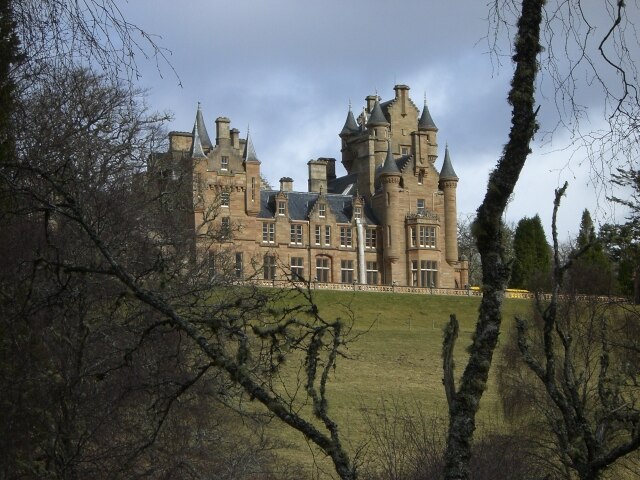
It is a cross between a game show and a reality show. A group of strangers are taken to a Scottish castle, and at the outset three of them are secretly appointed ‘traitors’, who gather every night to choose which of the other contestants they want to remove from the game (or ‘murder’). The other contestants are ‘faithfuls’, who have to try to work out who the traitors are, and meet at a roundtable to work out who to ‘banish’. Gradually the numbers get whittled down, and it is in the interest of the faithfuls to catch all of the traitors before the end, otherwise they walk off with all of the money.
It is a rock-solid format, which has obvious debts to other shows. Like The Apprentice, there are daily tasks and a reckoning at a nightly boardroom. Like Big Brother, we get to know the characters as we eavesdrop on their daily interactions. Perhaps inspired by the antics of Nasty Nick in its first series of that pioneer of cruel reality TV (in which the Dutch seem to specialise), the ingredients that make The Traitors so compelling are intrigue and lying.
The Traitors also has a very particular aesthetic. It takes place in a castle, which is lit by flaming torches. The traitors wear black hoods and carry lanterns. The faithfuls try to earn ‘shields’ while performing tasks in graveyards, churches, dungeons and dilapidated cabins. The language of the show is all about treachery (or ‘traitorousness’), murder, banishment, and so on. Even the host Claudia Winkleman has a famously goth vibe.

Historically speaking, all of this is intended to evoke the middle ages. That said, its vision of the medieval is pretty eclectic, and owes more to later imaginings of it. There are constant suggestions of Macbeth, and at one point the traitors even have to locate a copy of the play in the library. If anything, it is more neo-gothic than actually gothic: the castle is a nineteenth-century pastiche and the set pieces include Victorian funerals and church services. There are also echoes of the Assassin’s Creed series of video games.
I haven’t watched versions of the show from other countries, but it seems that they have similarly gone with a European-medieval aesthetic, even if that wasn’t something that happened in the country in question. The quasi-historical setting is therefore not an accident. So why the historical references? And what does the huge popularity of the show say about our relationship with the (imagined) past?
Perhaps they need to have a ‘past’ setting in order to encourage the contestants to embrace behaviours that are taboo in the present. Today we aren’t supposed to lie, betray or murder - but the past is apparently a place where people did. Many of the tasks involve discomfort or gross-out, and again that is associated with ‘horrible’ history. The types of history that are marketable today often dwell on these themes.
Whether this is really what things were like in the past is doubtful, but that is rather besides the point. As well as studying the past, historians can think about how contemporary culture is informed by visions of it, and what this tells us about society today.
As Claudia would say, sleep well.
Prof Matthew McCormack
 HISTORY AT NORTHAMPTON